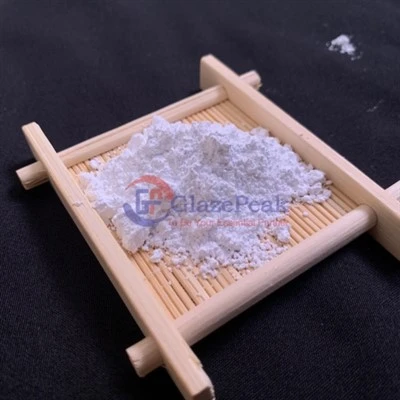
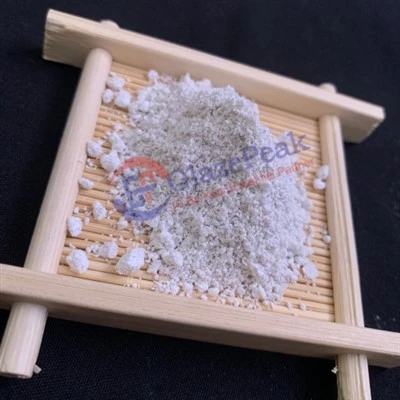
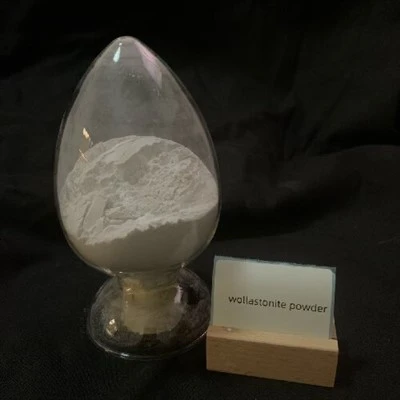
Iron Phosphate
A while back, a long-term customer who makes tableware ceramics reached out to me with a special request. He asked me to prepare two types of samples:
Iron Phosphate and Tricalcium Phosphate.
I am quite familiar with Tricalcium Phosphate. It is widely used in bone china formulations. But when it came to Iron Phosphate, honestly, I did not have a clear picture of its applications in ceramic production at that moment.
The customer did not tell me exactly what he planned to use it for. He only needed the samples. In the end, I sourced a batch of anhydrous and sent it over.
After shipping the samples, I could not stop wondering: With years of experience working with ceramic materials, what exactly does Iron Phosphate do when added into ceramic glaze?
To control variables, I used a mature high-temperature transparent ceramic frit: 6511. Its firing range is roughly 1200–1270°C. My electric kiln can reach up to 1230°C, which fits perfectly.
For the first round, I designed a simple experiment: Keep the base ceramic frit unchanged, and observe how the glaze surface changes as the addition ratio of Iron Phosphate increases.
I prepared six groups with Iron Phosphate ratios: 0%, 2%, 4%, 6%, 8%, 12%. I also set up two control groups with iron oxide red for comparison.
What Happened Next:Iron Phosphate Color Test in High-Temperature Glaze(2)