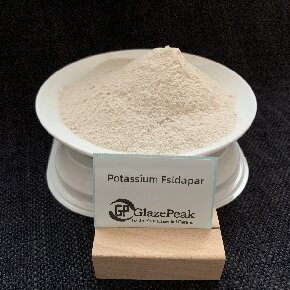
Product Description
Manufactured and quality-validated at Zibo Youshang New Material Technology Co., Ltd., rooted in Zibo - China-renowned ceramic capital, GP-43 sodium carbonate benefits from our complete operational system covering melting production, in-house laboratory QC, warehousing and logistics, and professional technical support teams.
Our two high-temperature kilns produce a broad range of frits, meanwhile our lab performs strict incoming-raw-material inspection, in-process parameter monitoring and certification for finished batches via X-ray fluorescence and wet chemical analysis. Every lot undergoes particle-size, thermal-expansion and chroma testing to guarantee reliable, consistent output for global ceramic manufacturers.
GP-43 is classified as high purity Na₂CO₃ powder, with impurity levels kept low to protect light-colored glazes and sanitaryware bodies. In slip casting, a carefully measured addition of this soda ash for slip casting acts as an electrolyte that thins the clay-water slurry, improves mould filling and shortens casting time. In frit and glaze batches, it works as a strong sodium flux that lowers melting temperature and widens the firing window.


Where sodium carbonate differs sharply from barium carbonate is solubility. GP-43 dissolves readily in water, so it behaves like an active electrolyte in slip - a small dosage change shifts viscosity noticeably. This is why it is recommended as a practical barium carbonate substitute only in specific sodium-source or fluxing roles, not as a drop-in replacement for every barium function. It cannot reproduce the insoluble, anti-scumming behaviour that barium carbonate contributes to a fired glaze.
Over-dosage is the main risk. Too much soda ash in slip makes it overly thin and weakens the cast body; too much sodium in the fired glaze can push the surface toward soft glaze, pinholes and reduced chemical durability. Our technical team provides custom formulation support, collaborating with clients to test recipes matched to individual body composition, slip viscosity target and firing curves.
GP-43 Sodium Carbonate Technical Data
| Item | GP-43 Sodium Carbonate |
|---|---|
| Na₂CO₃ (Total Alkalinity) | ≥99.2% |
| NaCl | ≤0.5% |
| Fe₂O₃ | ≤0.008% |
| Moisture | ≤0.5% |
| Particle size | 200 mesh powder (light soda ash) |
| Main use | Slip casting deflocculant, frit flux, glaze formulation |
| Available form | Light soda ash powder |
The numbers tell you two useful things. First, high purity Na₂CO₃ at ≥99.2% delivers predictable sodium input with minimal chloride interference. Second, Fe₂O₃ below 0.008% keeps white and light-toned ceramics clean. Please remember: unlike insoluble barium carbonate, this soda ash dissolves in water, so a few grams of dosage change moves slip viscosity far more than you might expect.
GP-43 is part of Zibo Youshang New Material Technology Co., Ltd.'s raw-material portfolio. We integrate premium ceramic raw materials and deliver stable, profitable frit solutions plus expert-level technical service for ceramic factories worldwide. Reliability, consistency and innovation are pursued across every production procedure. Each shipment is supported by our in-house lab COA report derived from verifiable test data.
| Your Application | Recommended Starting Approach for GP-43 Sodium Carbonate |
|---|---|
| Slip casting fluidity adjustment | GP-43 light soda ash, run small-dosage trials first |
| Strong sodium flux in frit melting batch | GP-43, add before high-temperature melting |
| Cost-effective sodium source in glaze | GP-43 powder, test low dosage carefully |
| Looking for partial barium carbonate substitute | GP-43, compare against your original recipe first |
| Heavy soluble salt or efflorescence concerns | Reduce dosage, balance body and glaze salts |
Where Sodium Carbonate Actually Helps
When casting slip feels thick and fills moulds slowly
Phenomenon: Slip viscosity is high, mould filling is slow and cast pieces come out uneven.
Root cause: Insufficient deflocculation in the clay-water system.
Suggestion: Test GP-43 soda ash for slip casting in small increments, and measure viscosity after each addition.
When frit firing temperature runs too high for your line
Phenomenon: Energy consumption is high and production pace is limited by melting behaviour.
Root cause: The batch lacks a strong, low-cost sodium flux.
Suggestion: Add GP-43 into the frit melting batch before high-temperature firing, then refire and record the new melting point.
When light-colored sanitaryware or tableware needs a clean sodium source
Phenomenon: Sodium-bearing raw materials bring unwanted grey or yellow tone.
Root cause: Iron and chloride impurities in ordinary soda ash grades.
Suggestion: GP-43 high purity Na₂CO₃ with low Fe₂O₃ and low chloride protects light-toned ware.
When you consider replacing barium carbonate in your recipe
Phenomenon: Barium carbonate cost is high and you are searching for a cheaper sodium source.
Root cause: Cost pressure on barium-bearing glaze or frit formulas.
Suggestion: Treat GP-43 as a partial barium carbonate substitute only in fluxing or sodium-source functions. It cannot replace barium's insoluble, anti-scumming role - run comparative firing trials before switching.
What Should You Check Before Choosing Sodium Carbonate

Purity and impurity control matters. Focus on total alkalinity ≥99.2%, low chloride and Fe₂O₃ ≤0.008%. Chloride and iron impurities easily spoil light-colored glaze surfaces.
Water solubility makes behaviour different. Unlike barium carbonate, sodium carbonate dissolves in water and acts immediately as an electrolyte. Treat dosage changes like precision control, not rough batch additions.
Dosage warning: Too much soda ash in slip makes it over-thin and weakens the cast body. Too much sodium in fired glaze can trigger soft glaze, pinholes and reduced durability. Higher dosage does not mean better performance.
Prioritize batch-to-batch consistency. Do not judge by product name alone. Verify stable alkalinity, chloride, iron and moisture across successive shipments supported by lab certificates.
Do not chase higher alkalinity blindly. In slip casting, a few grams matter more than a whole bag.
FAQ
Q1: How does soda ash for slip casting actually work?
A: GP-43 acts as an electrolyte that changes the electrical charge on clay particles, thinning the slip, improving mould filling and shortening casting time. Dosage should be adjusted by small increments with viscosity measurement.
Q2: Can GP-43 sodium carbonate be a full barium carbonate substitute?
A: No. It can partially replace sodium-source or fluxing functions in your recipe, but it cannot reproduce the insoluble, anti-scumming behaviour that barium carbonate provides. Run comparative firing trials before any cost-driven switch.
Q3: Is high purity Na₂CO₃ necessary for light-colored glaze and sanitaryware?
A: For white or light-toned ware, yes. Ordinary soda ash grades may carry chloride and iron that show up as discoloration. GP-43 keeps these impurities low.
Q4: What quality documents does Zibo Youshang provide with each GP-43 shipment?
A: Every shipment includes a formal lab COA covering total alkalinity, chloride, Fe₂O₃, moisture and particle-size data. Our technical-support team also provides custom-recipe testing for your body and firing curve.
Q5: What is the MOQ, packaging and lead time for GP-43?
A: Please contact our technical-sales team for detailed MOQ, light soda ash packaging specifications and current lead time. Small trial orders are available.
CTA
Do not chase higher alkalinity blindly. Send us your slip viscosity data, current formula and firing curve. Our ceramic engineers will evaluate whether GP-43 soda ash fits your trial and suggest a practical starting dosage.
Hot Tags: sodium carbonate, China sodium carbonate manufacturers, suppliers, factory